How to Ship Used Cars from China to West Africa: Complete Shipping & Container Guide
Subtitle: Container Options, Loading Rules, Sea Freight, Insurance and Tips for Car Dealers Importing to Nigeria, Ghana and Côte d’Ivoire
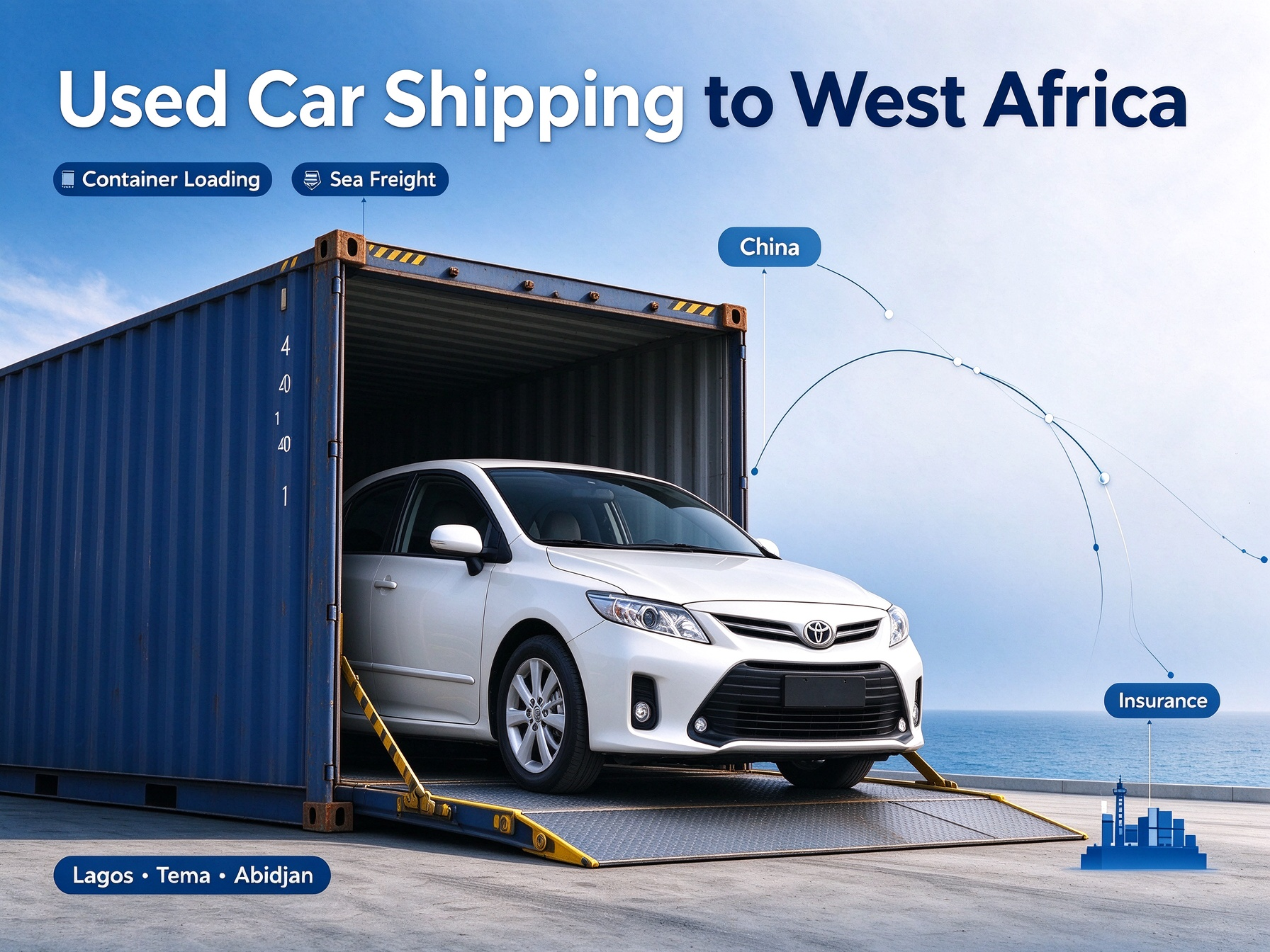
Shipping used cars from China to West Africa by sea involves many key decisions to be finalized: choosing between FCL (Full Container Load) and LCL (Less than Container Load), vehicle securing and protection, freight quotations, sailing schedules, cargo insurance, and risk control at the destination port. Many new car dealers in West Africa have encountered vehicle damage, high detention charges or cargo delays due to improper container plan selection and inadequate preparation. In this guide, Jiayi Auto breaks down the complete sea freight process for used cars shipped from China to West Africa, shares practical container loading standards, freight differences, common pitfalls, as well as our one-stop delivery solutions to the ports of Lagos, Tema and Abidjan, helping dealers arrange shipments smoothly and safeguard the safety of vehicle assets.
Shipping used vehicles from China to West Africa involves many critical decisions, such as choosing between FCL and LCL containers, proper vehicle loading and securing, freight pricing, transit time, cargo insurance and risk control at destination ports. Many new West African car dealers face unexpected damage, port detention fees or shipment delays due to improper container arrangement and insufficient preparation. In this guide, Jiayi Auto breaks down the whole shipping workflow for used cars exported from China to West Africa. We share practical loading standards, freight difference, common pitfalls and our one-stop delivery solution to Tema, Lagos and Abidjan ports, helping dealers arrange shipments smoothly and protect their vehicle investment.
For used car dealers in Nigeria, Ghana and Côte d’Ivoire, sourcing affordable LHD Toyota used cars from China is a reliable way to grow inventory and profit margins. However, finding good cars is only half of the business. Safe and economical sea shipping is the other key part that directly affects your final landed cost and vehicle condition when the container arrives. Many importers focus only on the car price but underestimate shipping-related risks: scratches, loose parts, engine damage during transit, long demurrage charges and unclear delivery terms. As a professional Chinese used car exporter, Jiayi Auto handles shipping coordination alongside vehicle supply, so we know exactly what West African dealers need to watch out for before booking a vessel.
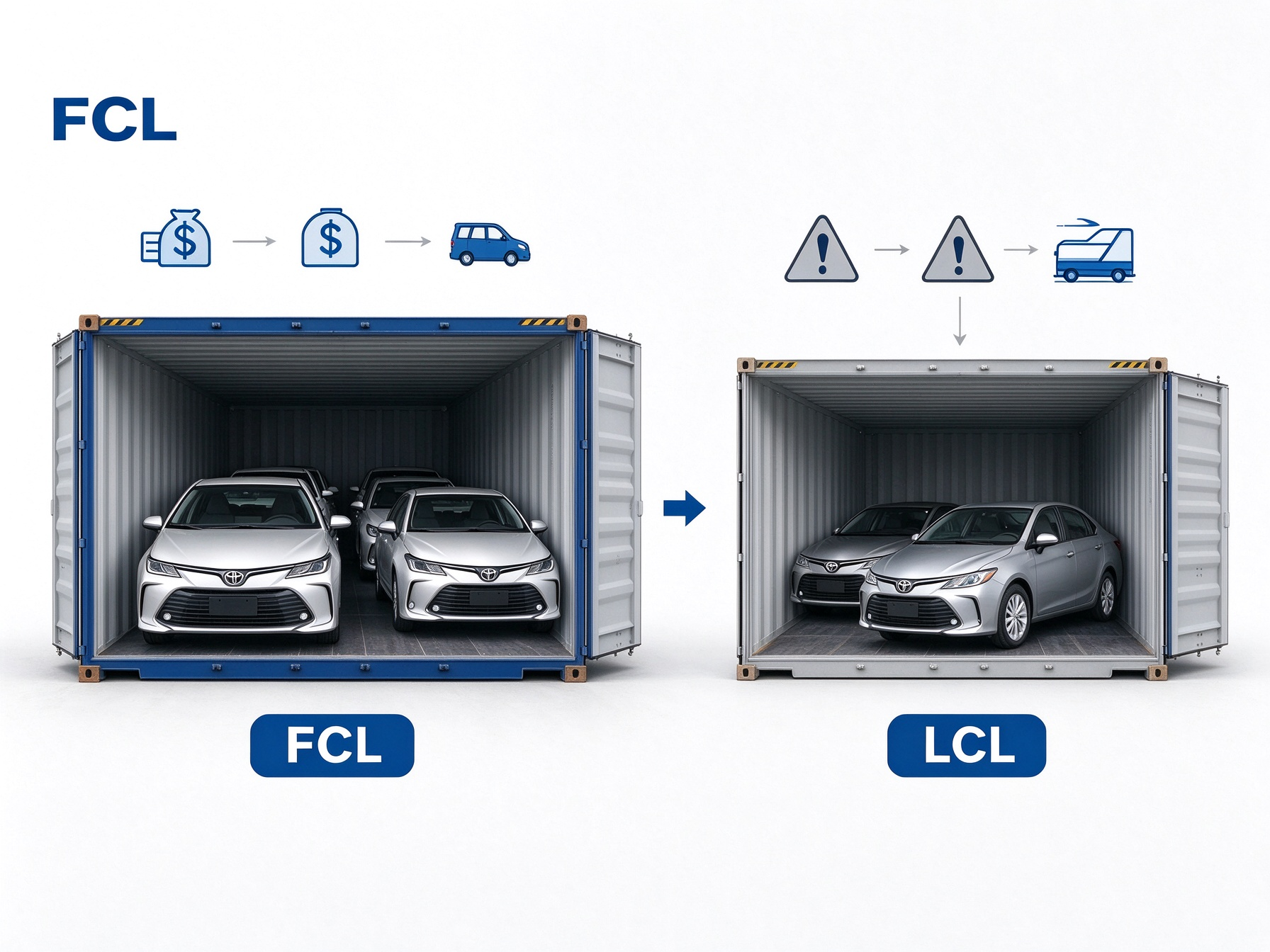
The first major choice you will make is between FCL (Full Container Load) and LCL (Less than Container Load) for your used car shipment.
FCL means you rent the whole container, usually 20ft or 40ft container. A standard 20ft container can hold 2–3 compact sedans like Toyota Corolla. A 40ft container can fit 4–6 sedans, or 3–4 pickup trucks such as Toyota Hilux. FCL is the more popular choice for regular car dealers with stable orders. Its advantages include lower risk of vehicle damage, faster transit, less cargo mixing, and simpler customs declaration at destination. If you import 3 or more cars every time, FCL is usually more cost-effective.
LCL consolidates your vehicles with other merchants’ cargo in one shared container. It works for small dealers who only buy 1 or 2 cars for trial orders. But LCL has clear downsides: higher unit freight cost, longer release time at the port, higher risk of scratches or collision with other goods, and more complicated clearance because multiple consignments are packed together. We usually recommend new dealers start with small FCL orders once they are ready to scale up.
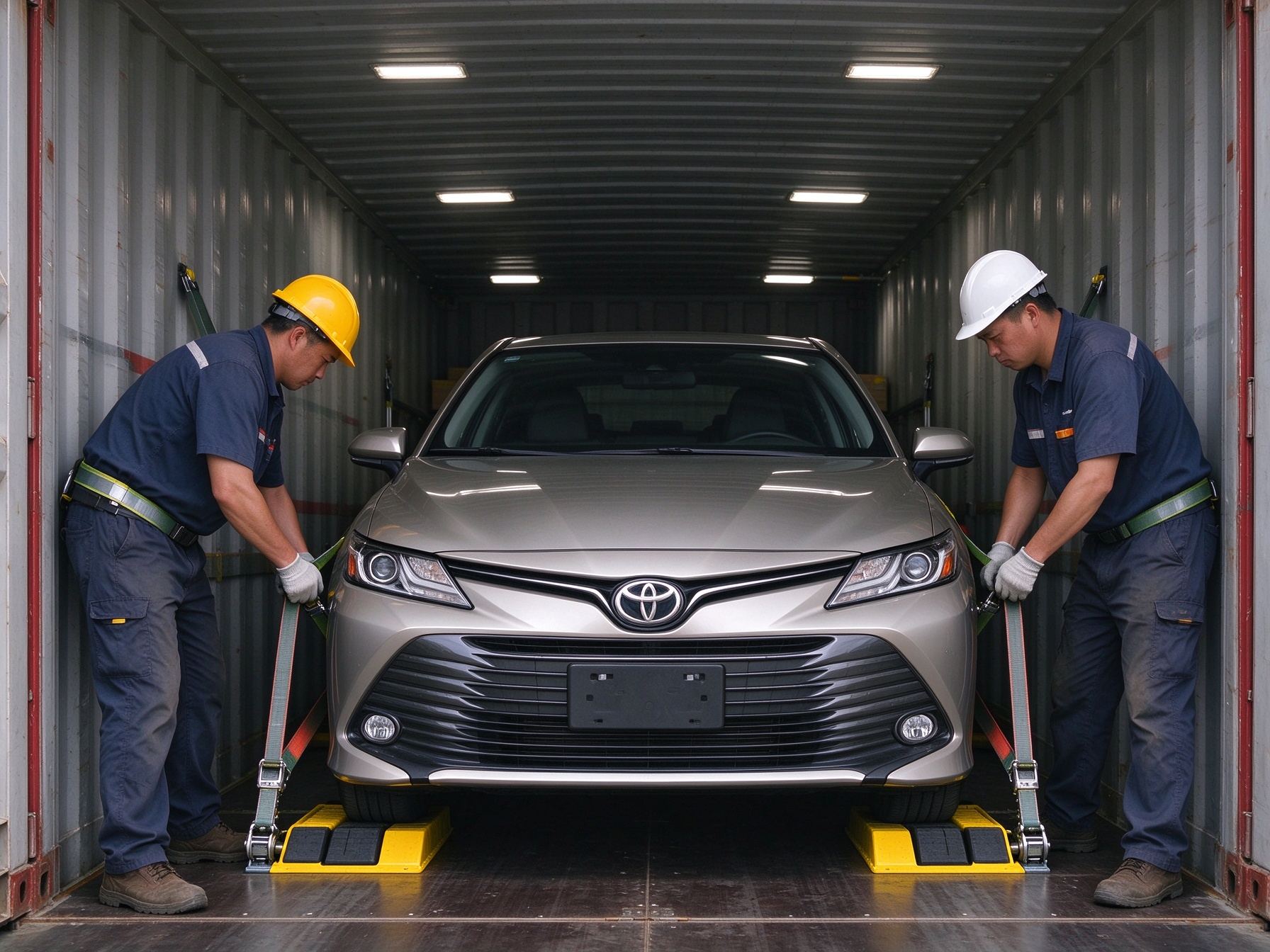
Loading and securing rules are extremely important to prevent vehicle damage during ocean transportation. When cars are loaded into the container, workers must use professional wheel chocks, strong ratchet straps and protective covering. Vehicles cannot be simply parked inside. The parking brake must be firmly engaged, gears locked, and battery terminals can be disconnected upon request to avoid electrical issues on the way. Mirrors and fragile exterior trims are often wrapped separately. It is forbidden to leave loose items inside the cabin, because these items can fly around and crack the windshield or scratch the interior when the ship rolls in rough seas. At Jiayi Auto, we take photos and videos of the whole loading process for every container, and send these records to our dealer clients, so you can check the loading quality remotely before the vessel departs.
Next is freight terms and transit time. The main destination ports we serve for West Africa are Lagos (Nigeria), Tema (Ghana), and Abidjan (Côte d’Ivoire). Transit time varies depending on shipping line, schedule and season. Generally speaking, the sea transit from China main ports to Lagos takes around 28–35 days. To Tema takes roughly 30–38 days, and to Abidjan is about 32–40 days. It is important to separate “sea transit days” from the total waiting time. After the ship arrives, you still need time for customs inspection, duty payment and container unpacking. Peak seasons, holiday congestion and port backlogs can extend the whole process. We will inform our clients of estimated sailing date, vessel name and tracking number once the container is booked. You can track the ship position online.
Cargo insurance is another point many importers overlook. Basic sea freight does not automatically cover all risks. Standard ocean freight only covers loss caused by the carrier’s major negligence, not common risks such as collision damage inside the container, scratches, water splash and minor dents. If you want full protection, you need to buy separate cargo insurance before shipment. The insurance value is usually based on the CIF value of the vehicles. We strongly suggest every dealer take out cargo insurance, especially for high-value models like Toyota Camry and Prado. Jiayi Auto can assist you with insurance quotation and document preparation, to reduce your financial loss if accidents happen during the voyage.
You also need to understand common extra charges that appear at destination ports. Demurrage and detention fees are the most frequent unexpected cost. Demurrage is charged when the container stays inside the port terminal beyond the free storage period. Detention applies if you keep using the empty container after unpacking. These fees can add up very quickly day by day. The best way to avoid heavy demurrage is to prepare all import documents in advance, arrange your local customs broker ahead of vessel arrival, and finish clearance as soon as possible. Other possible local charges include terminal handling fee, inspection fee, trucking fee from port to your car yard. We will give you a clear explanation of these local charges before shipment, so you can budget your total landed cost accurately.
Many dealers ask us about delivery terms: FOB, CIF and DDP.
FOB: We deliver the cars to the loading port in China. You arrange the shipping, insurance and all destination clearance by yourself.
CIF: We cover vehicle cost, sea freight and insurance up to the destination port. You handle customs duty, clearance and port charges after arrival. This is the most popular term for our West African clients.
DDP: We handle everything including import duty and local delivery to your yard. DDP is less common for used car imports because tax rules change often in each African country. Most professional car dealers prefer CIF for better control of local clearance.
Working with an experienced exporter simplifies the whole shipping process. Jiayi Auto’s one-stop service covers vehicle selection, pre-shipment inspection, export paperwork, container booking, loading supervision and sea freight arrangement. We do not just sell cars. We help you avoid shipping mistakes that cost African dealers thousands of dollars. We only supply left-hand drive Toyota models that meet local import rules in Nigeria, Ghana and Côte d’Ivoire.
If you are a West African used car dealer and plan to import LHD Toyota cars from China, contact Jiayi Auto now. Tell us your target port, the quantity and car models you want, and we will prepare a tailored shipping plan and freight quotation for you.
FAQ
- Q: Which is better, FCL or LCL for used car import to West Africa?
A: FCL is recommended for orders of 3 cars or more, safer and cheaper per unit. LCL is only suitable for trial orders with 1–2 cars, with higher risks. - Q: How long does it take to ship cars from China to Lagos?
A: Sea transit time is about 28–35 days, not including port clearance and waiting time. - Q: Do I need cargo insurance for used cars?
A: Yes, we highly recommend cargo insurance. Regular freight does not cover scratches and in-container damage. - Q: What causes high demurrage fees at African ports?
A: Late document preparation, slow customs clearance, port congestion and delayed container unpacking are the main reasons. - Q: Can Jiayi Auto provide loading videos for my container?
A: Yes, we record and share loading photos and videos for every shipment for our clients.
CTA
Reach out to Jiayi Auto today to get reliable LHD Toyota used cars and professional shipping service to Lagos, Tema and Abidjan. We support one-stop export from China, including inspection, documents and container arrangement.