What To Check Before Buying Used Toyota Cars from Chinese Exporters | Complete Pre-Shipment Inspection Guide for West African Car Dealers
VIN Verification, Mileage Check, Damage Inspection, Document Matching and Red Flags to Avoid Before Importing LHD Toyota Cars
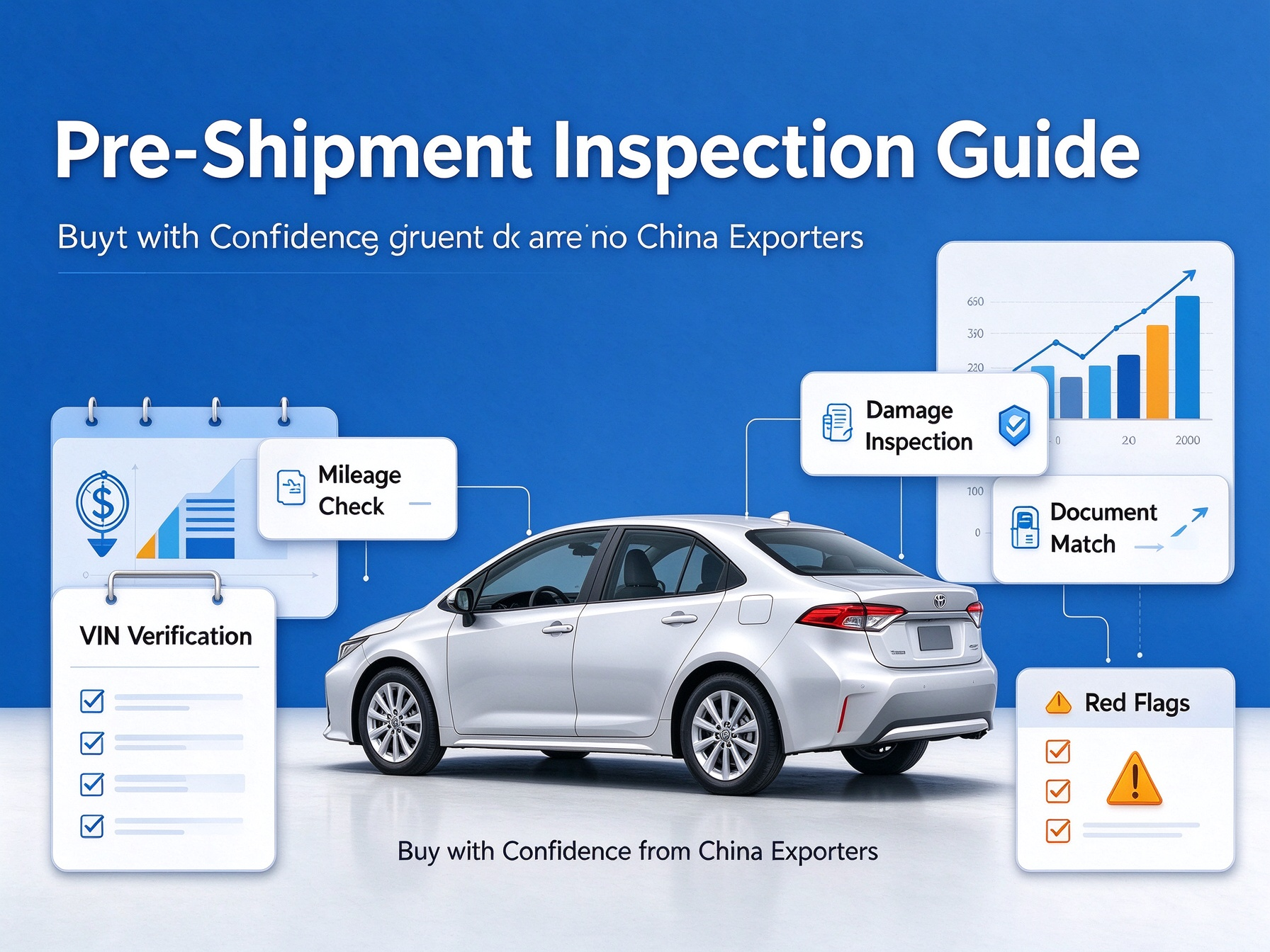
Purchasing used Toyota cars from Chinese exporters can be cost-effective, but many West African car dealers lose money because they skip pre-shipment verification or trust only photos. Before paying the balance or confirming shipment, you must check the vehicle identity, mileage, mechanical condition, accident or flood damage, chassis structure, dashboard functionality and export documents. This guide explains the most important pre-shipment checks for LHD Toyota cars, how to verify supplier claims, and what red flags to watch for. As a professional Chinese used car exporter, Jiayi Auto provides independent inspection reports, real photos, VIN verification and condition records for every unit, helping you buy with confidence.
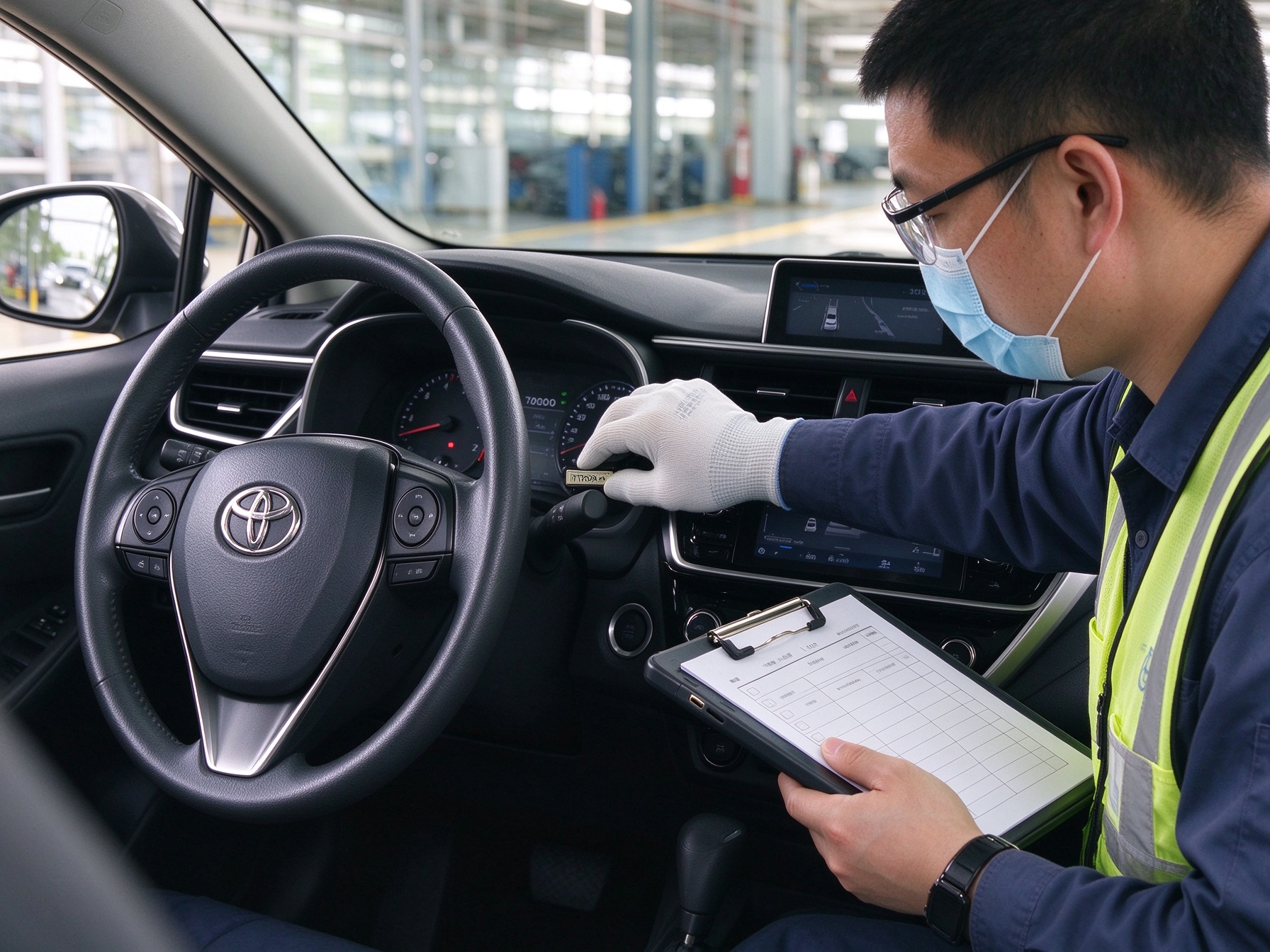
For West African car dealers, China is an important source of affordable left-hand drive Toyota sedans, pickups and SUVs. However, the biggest risk when buying from a distance is that you cannot see and test the vehicle in person. A beautiful online photo does not guarantee the actual condition. Some suppliers may hide accident history, flood damage, high mileage, mechanical faults or mismatched documents. If these problems are discovered only after the container arrives in Lagos, Tema or Abidjan, it is usually too late—the vehicle may fail inspection, incur heavy port costs, or require expensive repairs before sale.
The first and most important check is VIN verification. The Vehicle Identification Number is the unique identity of the car. You should ask the supplier for the exact VIN before payment, then compare it with the VIN plate on the vehicle, the dashboard area, the door jamb sticker, the engine bay label and the export documents. If the VINs do not match across these locations, stop the transaction immediately. Mismatched VINs are one of the most serious red flags and can cause major problems during customs clearance and technical inspection. Jiayi Auto records the VIN clearly in every inspection report and provides photos of the VIN plate, so you can verify the identity of the car before shipment.
Mileage accuracy is the second critical check. High mileage usually means more engine wear, brake wear and aging parts. Some suppliers may adjust the odometer to make the car look lower-mileage and more attractive. You should ask for the actual mileage shown on the dashboard at the time of inspection, and compare it with maintenance records, diagnostic data and the overall wear condition of the interior, pedals, steering wheel and tires. Do not rely only on the seller’s description. If the dashboard reading looks too low compared with the interior wear, request a full explanation and extra photos before proceeding.
Next, check for accident, flood and salvage damage. This is one of the most common hidden problems in the used car export business. Ask the supplier to show photos of the front hood area, engine bay, trunk, undercarriage, doors, pillars and chassis. Look for signs of uneven panel gaps, fresh paint overspray, bent metal, welded repairs, rust in hidden areas, water marks inside the seats or carpets, and unusual smells. A car that has been in a major accident or flood may look clean in one or two photos, but the damage will appear in detailed inspection photos. If the supplier refuses to provide close-up photos, treat that as a warning sign.
You also need to inspect the mechanical and electrical condition. Before shipment, the vehicle should be started and tested. Check whether the engine starts smoothly, whether there is unusual smoke or noise, whether the brakes and steering work normally, and whether the lights, air conditioning, power windows, dashboard indicators and odometer are functioning. For Toyota Hilux and pickup models, also check the bed structure, towing equipment and suspension condition. A basic test drive or engine test by the inspector is necessary. Do not accept a unit that the supplier has not even started.
Chassis and structural checks are equally important. A damaged chassis or structural frame is dangerous and may be rejected at the destination. Ask for undercarriage photos, especially the front rails, floor panels, cross members and rear frame. Look for bends, cracks, welding marks, corrosion or distorted parts. Any structural damage should be fully disclosed by the supplier before shipment. If it is not disclosed and you discover it after arrival, you may face additional repair costs or even a total loss of the unit.
Document checking is another essential step before shipment. The export documents must match the actual vehicle. At minimum, confirm the commercial invoice, title or transfer certificate, bill of lading details, inspection report, and any required certificate for the destination country. The model, VIN, engine number, chassis number, mileage and vehicle color should be consistent across all documents and the physical car. Discrepancies can lead to customs delays, fines, rejection or seizure.
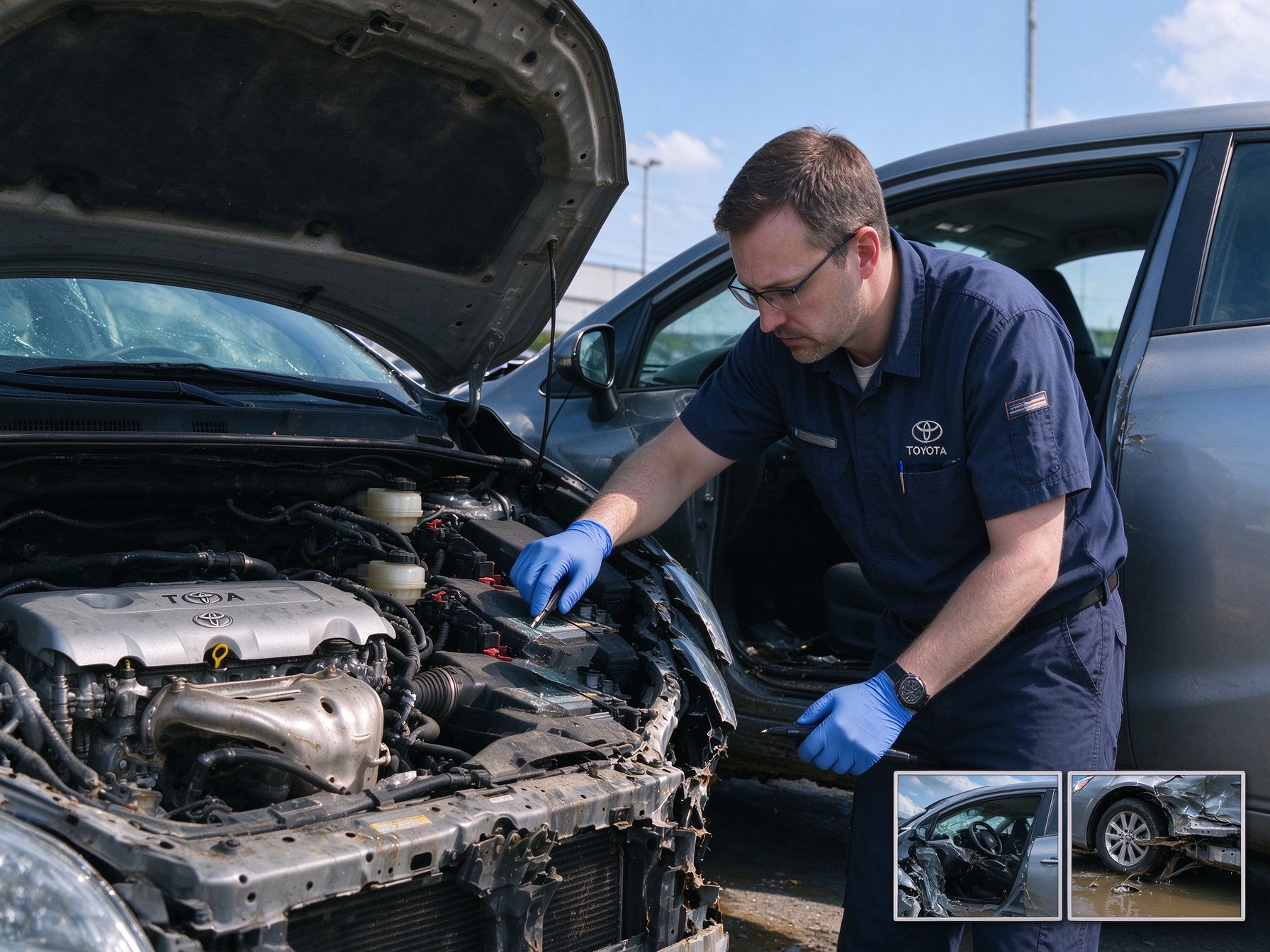
Many West African dealers ask what the most dangerous red flags are. The answer includes: VIN mismatch, hidden accident or flood damage, odometer manipulation, missing inspection reports, refusal to provide close-up photos, unclear ownership documents, sudden price changes after deposit, and promises that sound too good to be true. Professional suppliers will not avoid your questions. They will provide clear photos, detailed reports and honest explanations.
Working with a structured inspection process reduces your risk. At Jiayi Auto, every LHD Toyota unit we supply goes through a standard pre-shipment check: VIN verification, mileage confirmation, engine test, brake and electrical check, accident and flood damage screening, chassis inspection, photo documentation and document preparation. We do not just tell you the car is “good”. We provide evidence.
If you plan to buy used Toyota cars from China, do not pay the final amount until you have reviewed the inspection report and real photos. Contact Jiayi Auto today to request our pre-shipment inspection checklist and the latest stock of verified LHD Toyota units for West Africa.
FAQ
- Q: Why is VIN verification important when buying used Toyota cars from China?
A: The VIN confirms the vehicle’s identity. A mismatch can cause clearance failure, technical inspection rejection and financial loss. - Q: How can I check if the mileage is real?
A: Compare the dashboard reading with maintenance records, interior wear, pedal wear, tire condition and diagnostic information. - Q: What hidden damage should I check before shipment?
A: Check for accident damage, flood damage, salvage history, chassis bends, welded repairs, hidden rust and electrical faults. - Q: Do I need documents to match the actual car?
A: Yes. The VIN, model, color, engine number and mileage must match across documents and the vehicle. - Q: Can Jiayi Auto provide inspection reports before payment?
A: Yes. We provide inspection reports, VIN photos, mileage records and detailed condition photos before your final payment.
CTA
Contact Jiayi Auto today to get verified LHD Toyota used cars and professional pre-shipment inspection reports. We help West African car dealers reduce buying risk and import with confidence.