Toyota Highlander for African Mid-to-high-end Wholesale: Large Space and Strong Resale Value
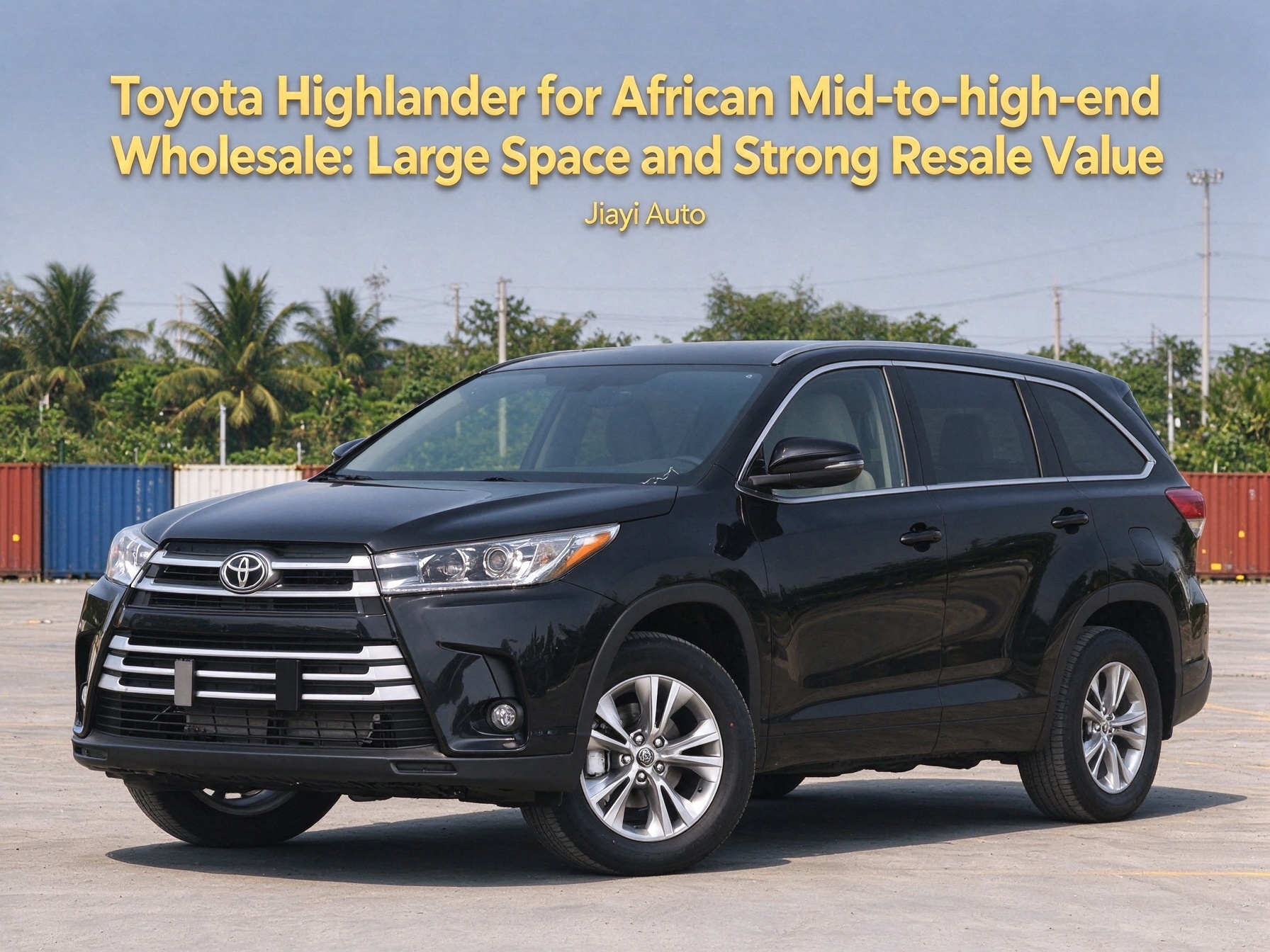
Toyota Highlander has become a reliable mid-to-high-end wholesale option for West African used car dealers. It features spacious three-row seating, stable power assembly and strong residual value, which caters to family buyers, shuttle operators and corporate clients. This professional guide from Jiayi Auto covers market positioning, core technical advantages, pre-shipment inspection checklist, cost analysis and inventory suggestions for importers sourcing used Highlander from China. It helps African dealers reduce purchasing risks and make better wholesale decisions for mid-to-high-end stock.
While compact sedans and small SUVs dominate the high-volume entry-level segment of West Africa’s used car market, there is steady and growing demand for reliable mid-to-high-end 7-seater SUVs. For African dealers who want to diversify their stock portfolio and capture higher profit margins, the used Toyota Highlander sourced from China is an attractive choice. It fills the gap between affordable compact models and expensive premium vehicles, targeting customers who prioritize passenger capacity, comfort and long-term reliability.
Many new importers hesitate to add mid-to-high-end SUVs to their inventory because of higher capital costs and concerns about slow turnover. However, the Highlander has built a solid reputation across West Africa. Its three-row layout, proven powertrain and easy-to-source spare parts make it a low-risk option in the large SUV category. Jiayi Auto supplies left-hand drive used Highlander units from China’s domestic inventory, and this guide breaks down its market advantages, inspection focus points and wholesale strategies for African buyers.
Core Commercial Advantages of Used Toyota Highlander for African Markets
1. 7-seater large space, multiple customer groups
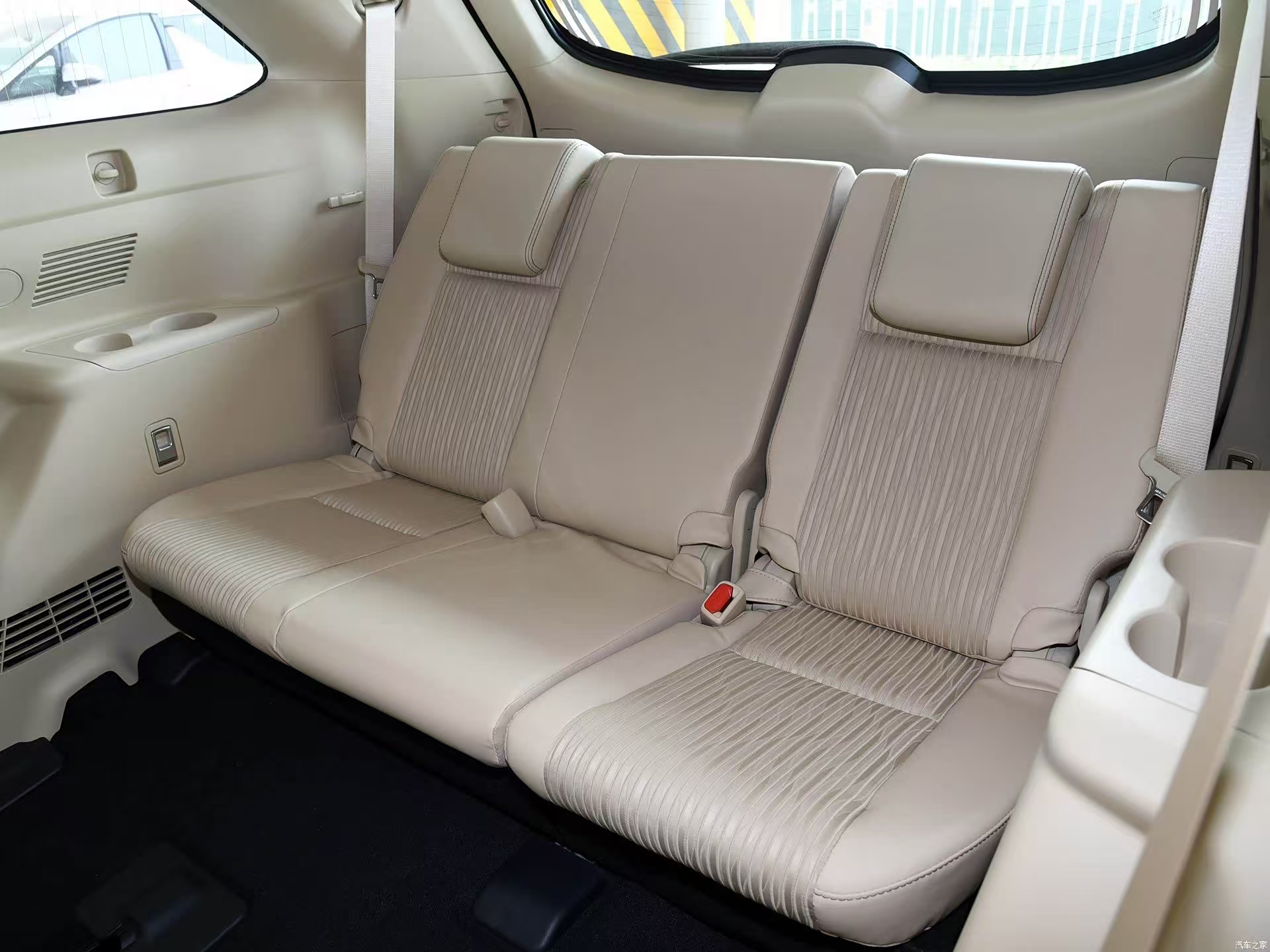
The Highlander’s biggest selling point is its practical three-row cabin. Unlike 5-seater compact SUVs such as RAV4, it can carry 6–7 passengers comfortably. This makes it suitable for a wide range of end users: large families, hotel shuttle services, small tour operators, corporate staff transport and private rental businesses.
In many West African cities, group travel, family gatherings and business shuttle needs are common. Local buyers are willing to pay a premium for a 7-seater Toyota that does not break down easily. This expands the customer base and creates independent demand that does not compete directly with entry-level cars.
2. Stable powertrain and good adaptability to local road conditions
Most China-spec used Highlander units available for export are equipped with 2.0T turbo petrol or 2.7L naturally aspirated petrol engines, paired with mature automatic transmission systems. The tuning is oriented toward durability rather than extreme performance.
The chassis suspension is calibrated for mixed road conditions, including paved highways, rough rural roads and uneven urban streets. Compared with many other large SUVs, the Highlander delivers balanced handling and acceptable fuel consumption for its size. Its simple mechanical structure also lowers the threshold for local mechanics to carry out maintenance.
3. Strong residual value and stable aftermarket parts supply
Resale value is one of the top concerns for wholesale dealers. Toyota’s global brand effect helps the Highlander hold its value well in Africa. Even after several years of use, depreciation is slower than many competing 7-seater SUVs.
Spare parts for the Highlander are widely available in major auto markets across Nigeria, Ghana and other West African countries. Key components including filters, brake parts, suspension components, water pumps and electrical sensors can be found without long waiting times. This greatly reduces after-sales pressure and customer complaints for dealers.
4. China left-hand drive stock advantage
The Highlander units exported by Jiayi Auto come from China’s domestic used car market, all left-hand drive. Left-hand drive Highlanders match the traffic rules of most West African countries. The supply volume is stable, and the age range is controllable. Compared with some other overseas sources, China’s stock has transparent records and flexible mixed container solutions. Dealers can load 1–2 Highlanders together with Corolla, Yaris L or RAV4 to balance profit and capital pressure.
5. Flexible cargo layout and strong load adaptability
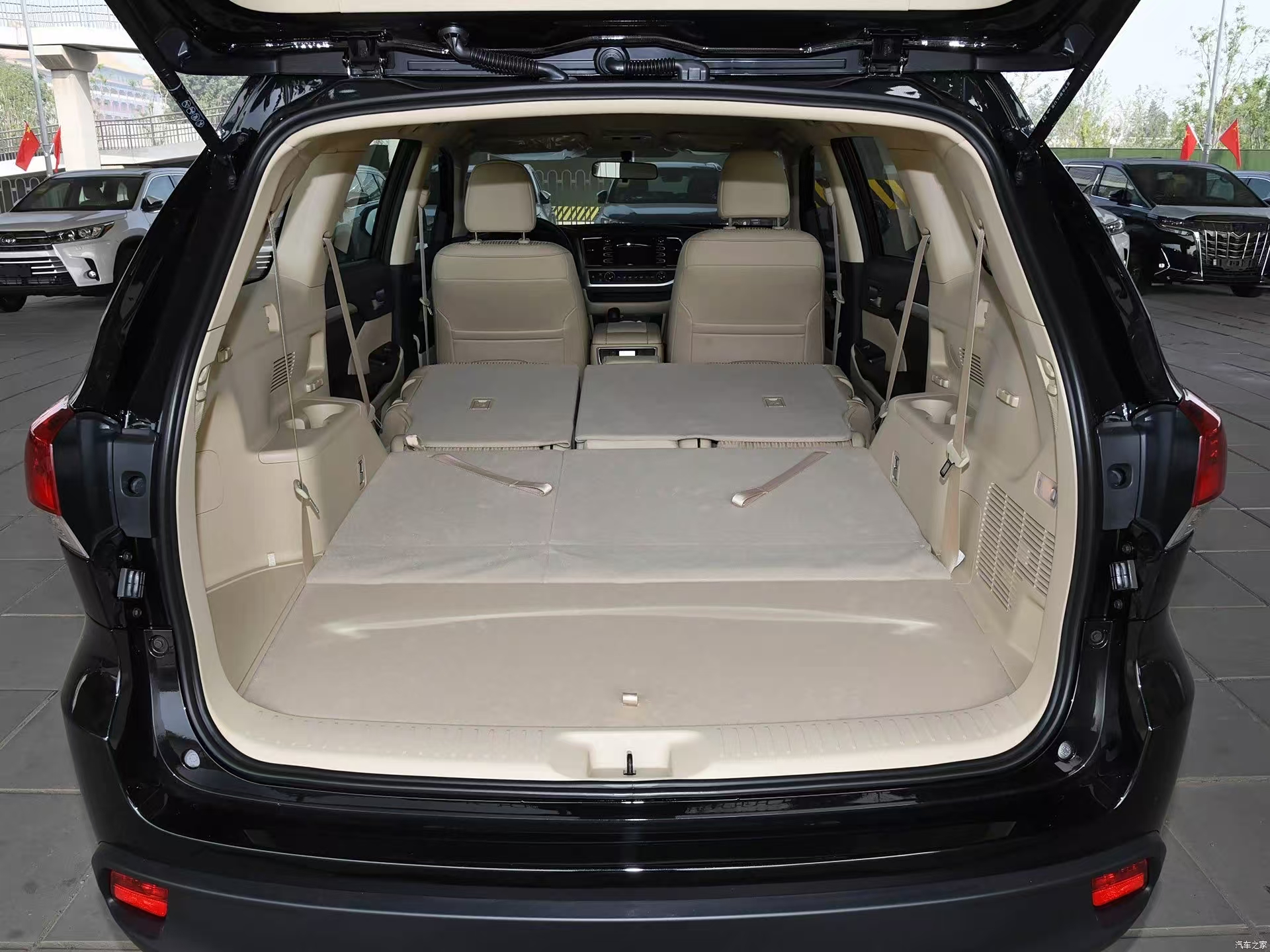
The rear seats can be folded flat quickly, converting the passenger-focused 7-seater into a large cargo carrier. For African fleet buyers, this dual-purpose design is highly valuable: it can transport passengers during daytime shuttle business and carry goods, market supplies or luggage at other times. This multi-scenario flexibility makes it easier for dealers to pitch to small business owners, who prefer vehicles that can serve both passenger and cargo needs.
6. Tuned for tropical high-temperature environments with stable air conditioning performance
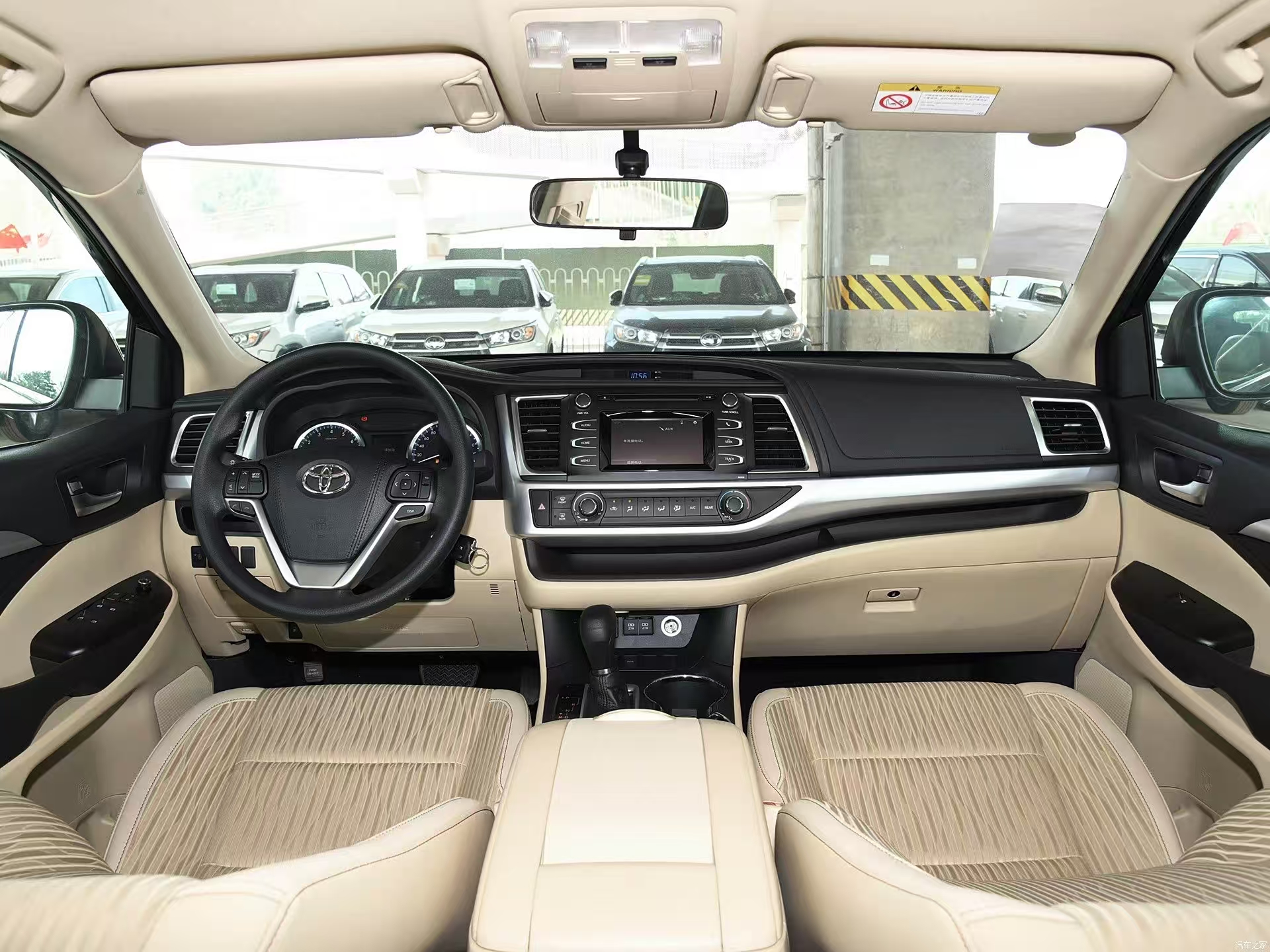
The factory cooling and air conditioning system of China-spec Highlander performs well under sustained hot weather. For West African countries with year-round high temperatures, reliable AC is a non-negotiable selling point. Compared with many other imported 7-seater SUVs, the Highlander’s dual-zone or multi-zone air conditioning maintains stable cooling output under long idling and low-speed traffic, reducing the risk of AC breakdown complaints after sale.
Key Pre-shipment Inspection Checklist for Used Toyota Highlander
Because the Highlander is a higher-value vehicle, the cost of missing hidden faults is much higher. Jiayi Auto’s inspection team focuses on these high-failure areas before loading:
- Engine inspection: Check for oil leaks from the turbocharger (2.0T version), valve cover gasket and oil pan. Test cold start performance, listen for abnormal knocking noise and check exhaust smoke. Run OBD scanning to read fault codes.
- Transmission test: Complete multiple road tests to check for slipping, delayed gear engagement, jerking and whining noise. Check ATF fluid quality and level. The transmission system of large SUVs bears heavier load, so wear happens faster.
- Cooling system: The Highlander’s large engine bay and heavy load demand a reliable cooling system. Pressure test radiator, water pump and hoses to prevent overheating under high-temperature African climate. Overheating is a very common expensive failure for large SUVs.
- Suspension and chassis: Inspect lower control arms, bushings, ball joints and shock absorbers. Pay special attention to rear suspension parts, which take extra weight when the vehicle is fully loaded. Check for undercarriage rust from long-term use.
- Electrical system: Test the air conditioning system (front and rear AC), power tailgate, multi-row window regulators, dashboard electronic modules and seat adjustment functions. Rear AC is a critical selling point for 7-seater models.
- Body and structural check: Paint thickness test for all panels, check for collision traces, structural damage and flood history. Any frame damage or flood history will lead to serious value loss.
- Interior condition: Check wear on the second and third-row seats, steering wheel and pedals. Heavy interior wear often indicates high mileage and frequent full-load operation.
Wholesale Inventory & Pricing Strategy for African Importers
- Match with your market positioning: Highlanders are not fast-turnover low-margin stock. They are suitable for dealers who already have stable retail channels and high-end customer groups. If you are a new importer with limited capital, start with small quantity or mixed container mode instead of ordering multiple Highlanders in one shipment.
- Choose suitable year range: We recommend 2018–2022 models. These units are within the 10-year import age limit of most West African countries. They have updated safety configurations, stable electronic systems and relatively reasonable wholesale prices. Older units may face higher failure risk; newer models have high purchase cost and slow turnover.
- Differentiate 2.0T and 2.7L versions: The 2.7L naturally aspirated version has simpler structure, lower maintenance difficulty and is more popular in areas with limited repair capacity. The 2.0T version has stronger power, better performance for highway and full-load driving, but turbo-related maintenance cost is higher. You should select versions based on your local market habits.
- Control container mixing ratio: Normally, place 1 or 2 Highlanders in one 40ft container, paired with 2 units of compact cars. This balances high-profit slow-moving stock and fast-moving entry-level stock to stabilize cash flow.
FAQ
Q: Is Toyota Highlander suitable for rural off-road use in West Africa?
A: The Highlander is a family-oriented city SUV, not a professional off-road vehicle. It can handle rough unpaved roads, but it is not designed for heavy off-roading. You need to clearly inform your end buyers about its usage limit to avoid misuse and disputes.
Q: Are spare parts for Highlander expensive in West Africa?
A: Compared with Yaris L and Corolla, Highlander spare parts are more costly. But compared with other 7-seater SUV brands, Toyota parts are easier to find and more affordable. It is necessary to remind retail buyers of higher maintenance budgets in advance.
Q: How many Toyota Highlanders can fit into one 40ft container?
A: Due to its large size, only 2–3 Highlanders can be loaded in a single 40ft container if fully loaded with Highlanders. Mixed loading with smaller Toyota models is the more cost-effective solution for most dealers.
WhatsApp:+44 7434 584492
If you want to expand your mid-to-high-end 7-seater SUV stock for African wholesale business, used Toyota Highlander is a competitive option. Contact Jiayi Auto to get real-time stock lists, full pre-shipment inspection reports, condition photos and FOB / CIF quotation for your target destination. We can also design mixed container plans according to your sales mix and capital budget.